Massage Chair Dimensions: How to Measure Room and Delivery Fit
The number that matters is the largest space the chair needs while operating and the smallest opening it must pass through on delivery day.
By the Recline Guide Editorial Team · Fact-checked against cited manufacturer or Amazon-linked documentation · Last reviewed November 3, 2026
How we built this shortlist We compare published fit, room, mechanism, delivery, and warranty facts. We do not claim personal testing or medical outcomes. Missing specifications stay labeled as missing.
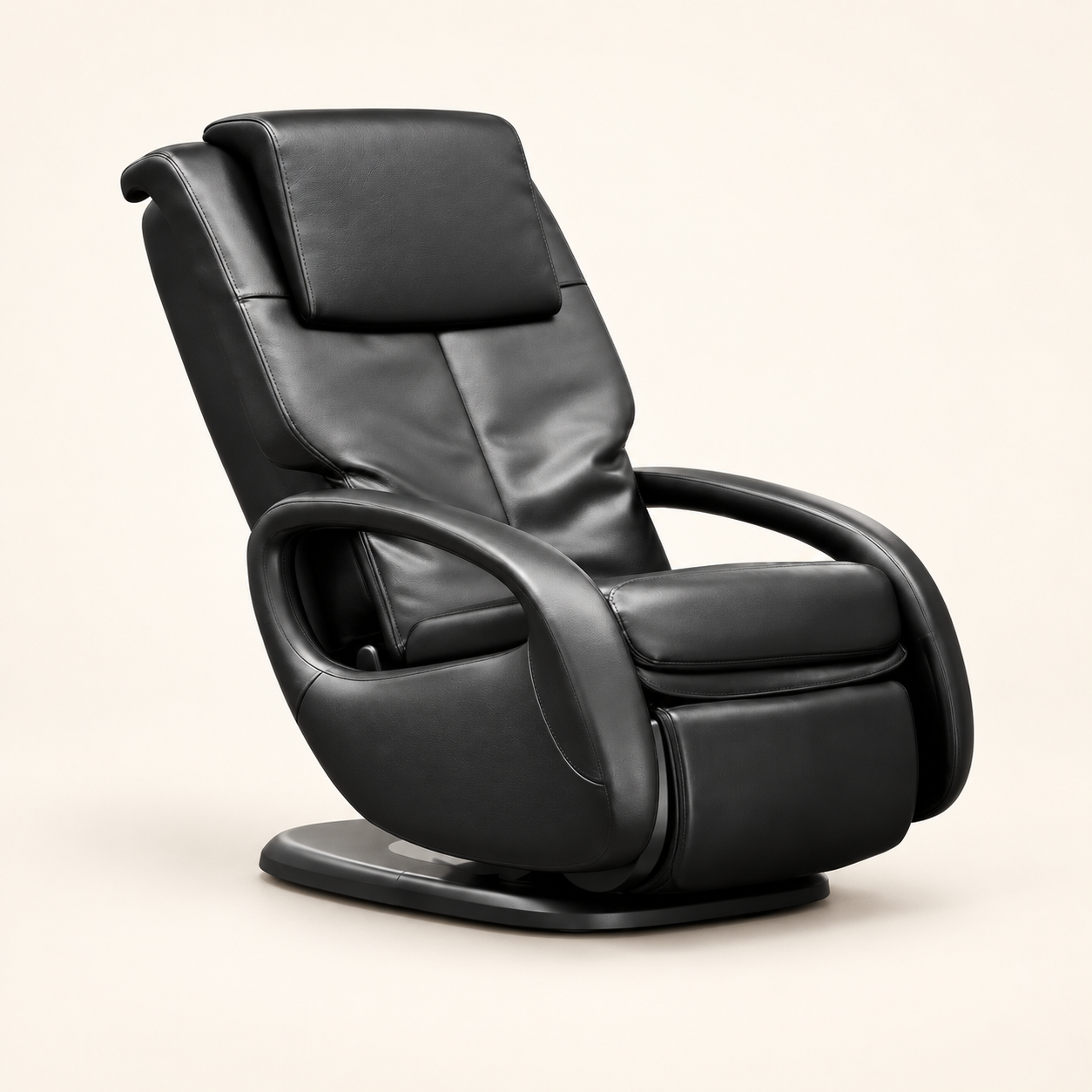
Rooms where chair width matters but a separate foot section can fit
2D four-roller SL-track
Adjustable shoulder position; range not published Capacity: 250 lb
39.76 × 25.98 × 37.59 in Reclined: 15° recline; full envelope not published
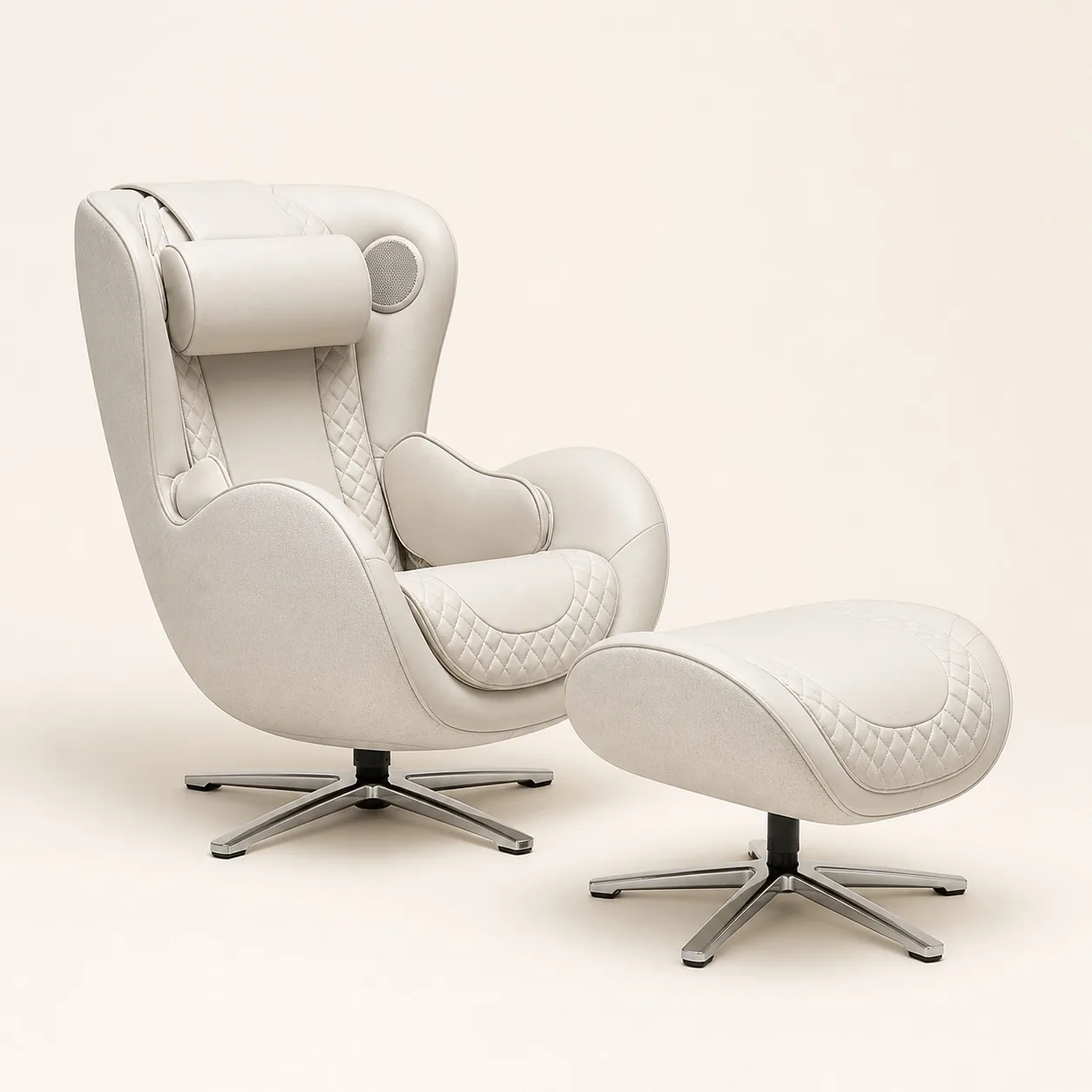
Separate height-adjustable ottoman; no documented foot rollers
Affiliate disclosure: Recline Guide may earn from qualifying purchases through Human Touch or Amazon. As an Amazon Associate, Recline Guide earns from qualifying purchases. Prices and availability change, and no price is stored on this page.
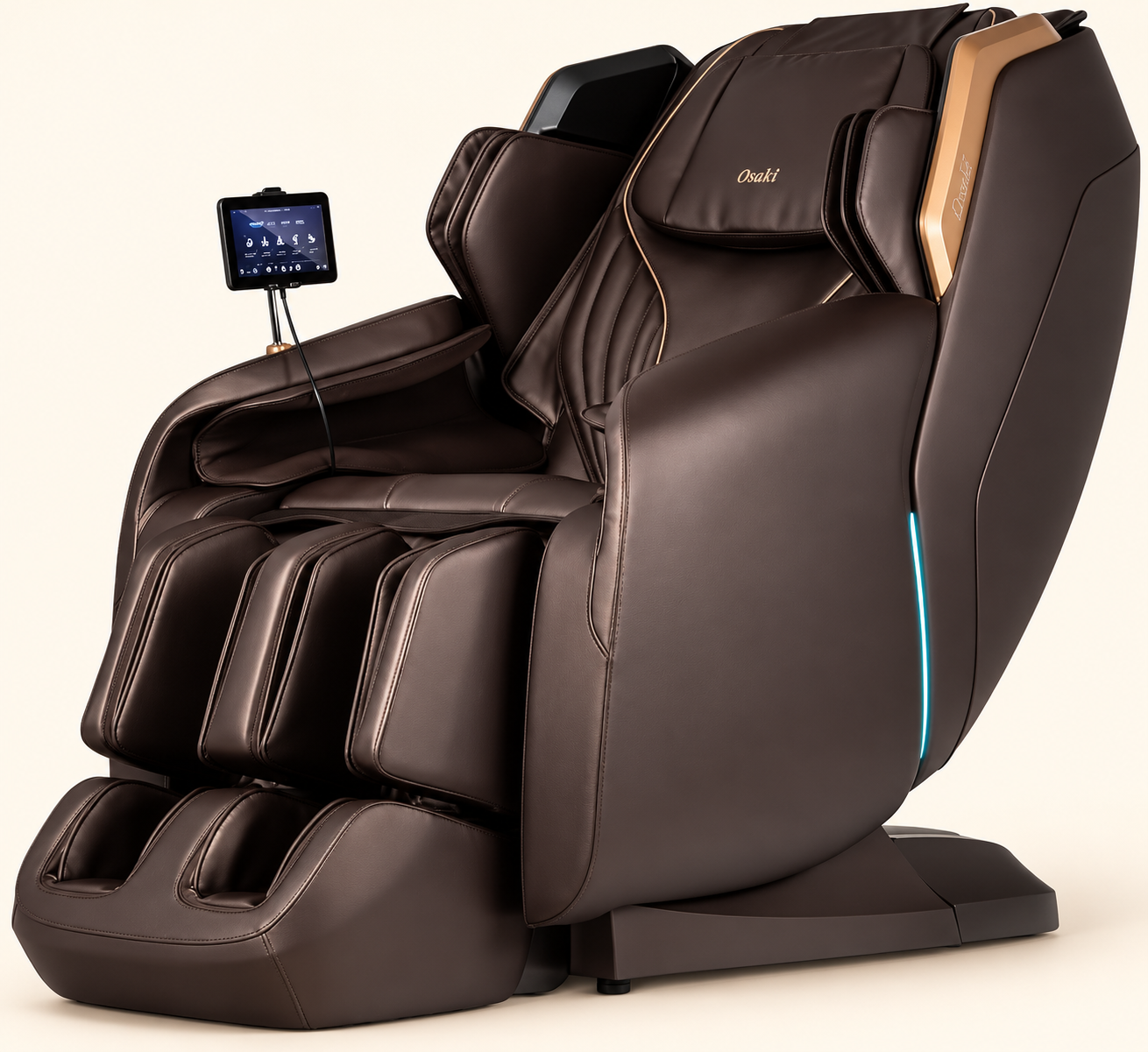
Best for: Buyers measuring for an extra-wide, heavy chair
Atlas XL is 35 inches wide assembled and 74 inches long reclined; its manual also requires at least 12.6 inches behind and 19.7 inches in front.
Mechanism
4D · SL Flex track
Heat
Lumbar and foot heat; product page states approximately 75–83°F
Clearance
At least 32 cm (12.6 in) rear and 50 cm (19.7 in) front per the manual
Warranty
Official sources describe a 3-year limited schedule, but the exact Amazon offer does not display coverage; confirm seller eligibility, administrator and terms before ordering
Advantages
Complete operating dimensions
Exact front and rear clearances
Doorway guidance for assembled and approved disassembled states
Best for: Rooms where chair width matters but a separate foot section can fit
The chair body is 25.98 inches wide and the package is 27.95 inches wide, illustrating why delivery and furniture dimensions must be checked separately.
Record the full reclined length, the widest point, reclined height, required rear gap and any front clearance or leg-rest travel. Add a walking path and keep doors, drawers, vents, outlets and cords outside the operating zone.
A “wall-hugging” claim usually addresses only the gap behind the chair. It does not tell you the total reclined depth or the space needed in front. When a full figure is missing, ask for it rather than estimating from a product photo.
Delivery dimensions: measure every opening and turn
Measure clear width with the door fully open, then account for trim, handles, handrails and any instruction to subtract a safety allowance. Record corridors, ninety-degree turns, stairs, landings and elevator doors and interiors.
Compare that route with the shipping carton and the manufacturer’s minimum-doorway guidance. Do not assume arms, doors or panels are removable unless the manual provides an approved procedure for the exact model.
Use a simple floor-tape test before ordering
Tape the reclined length and maximum width on the floor, then add the stated rear and front clearances. Move through the room as you normally would and open nearby doors and drawers.
Repeat the same test for any separate ottoman or side controller. The room-fit calculator can organize these measurements, but the manufacturer’s current manual remains the source for the exact chair.
SHOPPER QUESTIONS
Frequently asked questions
What are typical massage chair dimensions?
Sizes vary too much for one safe standard. Compact furniture-style chairs may be about 26–28 inches wide, while large capsule chairs can reach 35 inches or more. Use the exact model’s upright, reclined and shipping measurements.
How much space should I leave behind a massage chair?
Use the manufacturer’s stated rear clearance for the exact model. A space-saving design may need only a few inches, while other chairs require substantially more. Rear clearance is separate from total reclined length.
Can a 28-inch massage chair fit through a 28-inch doorway?
Not necessarily. Door trim, hardware, turning angle, packaging and the manufacturer’s safety allowance can require more clear width. Compare the carton and minimum-doorway guidance, not just chair width.