Best Massage Chairs for Tall People: Current Options Through 6′4″
The active shortlist now reaches 6′4″, but height alone still does not establish torso, calf or foot alignment.
By the Recline Guide Editorial Team · Fact-checked against cited manufacturer or Amazon-linked documentation · Last reviewed October 12, 2026
How we built this shortlist We compare published fit, room, mechanism, delivery, and warranty facts. We do not claim personal testing or medical outcomes. Missing specifications stay labeled as missing.
55.1 × 29.5 × 43.3 in Reclined: 67 × 34.7 × 29.5 in
Foot rollers and longer footrest extension
Affiliate disclosure: Recline Guide may earn from qualifying purchases through Human Touch or Amazon. As an Amazon Associate, Recline Guide earns from qualifying purchases. Prices and availability change, and no price is stored on this page.
At 6′2″, all three active candidates publish a range that includes the user, but capacity, shoulder placement and footrest travel can still decide the fit. At 6′3″, the iBooMas P03 and Real Relax PS6500 remain within their published ranges. At 6′4″, the PS6500 is the only active candidate here whose published range still includes the user.
For a big-and-tall shopper, screen height and capacity separately. The PS6500 reaches 6′4″ but recommends up to 220 pounds; the iBooMas reaches 6′3″ and publishes 330 pounds. Do not infer seat width or calf-room from either number.
Height, torso and inseam must all align
Two users of the same height can have different torso and leg proportions. Check the shoulder start point, knee bend, calf-pocket position and where the foot rollers land.
Body scan can help place the shoulders, but it cannot change seat depth or the physical range of the leg rest.
Capacity can reorder the shortlist
The PS6500 reaches the tallest published height but has the lowest maximum recommendation here at 220 pounds. iBooMas stops one inch shorter and supports up to 330 pounds.
Every intended user needs to meet both the height guidance and weight limit; neither can be borrowed from a similar model.
Tall-user chairs need a delivery plan
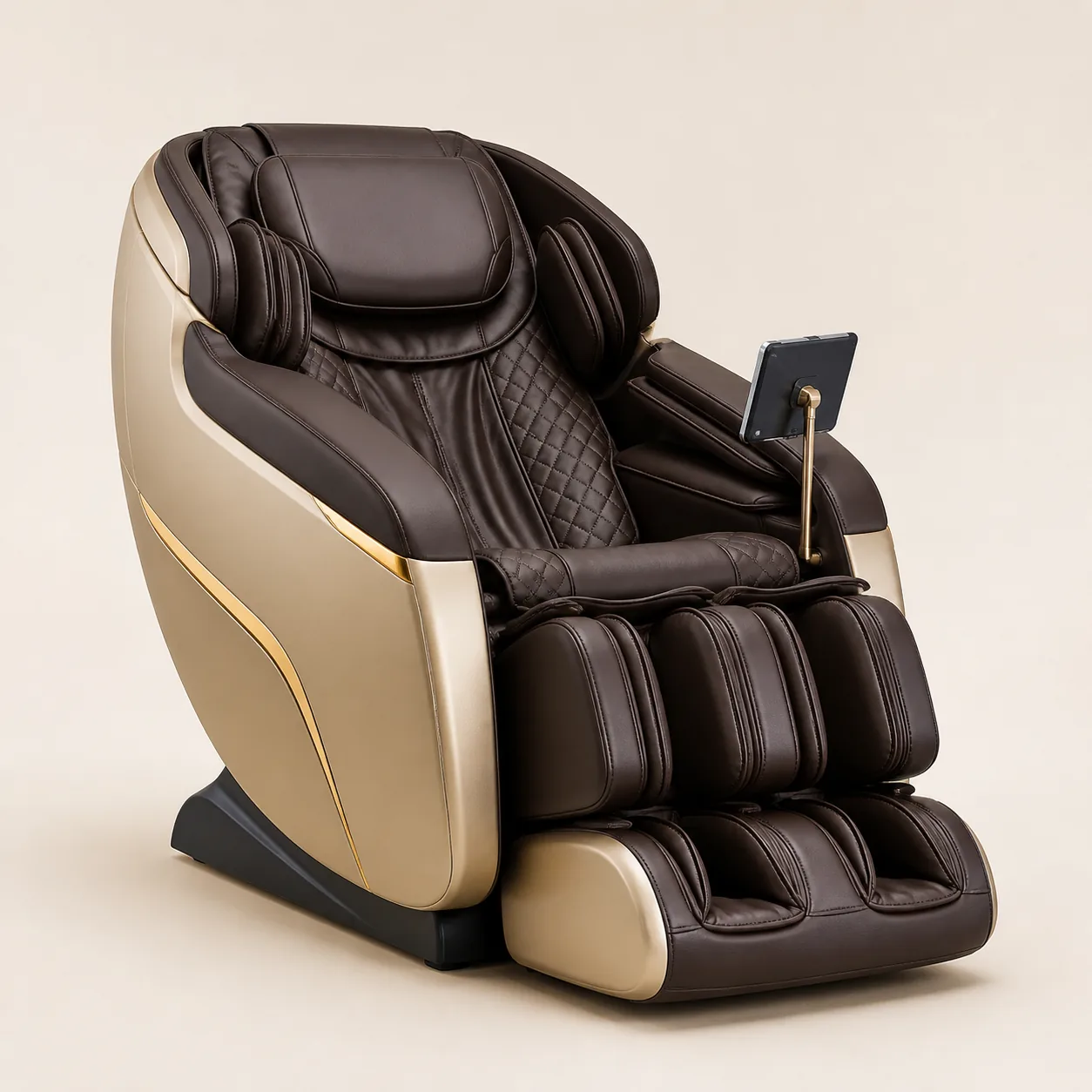
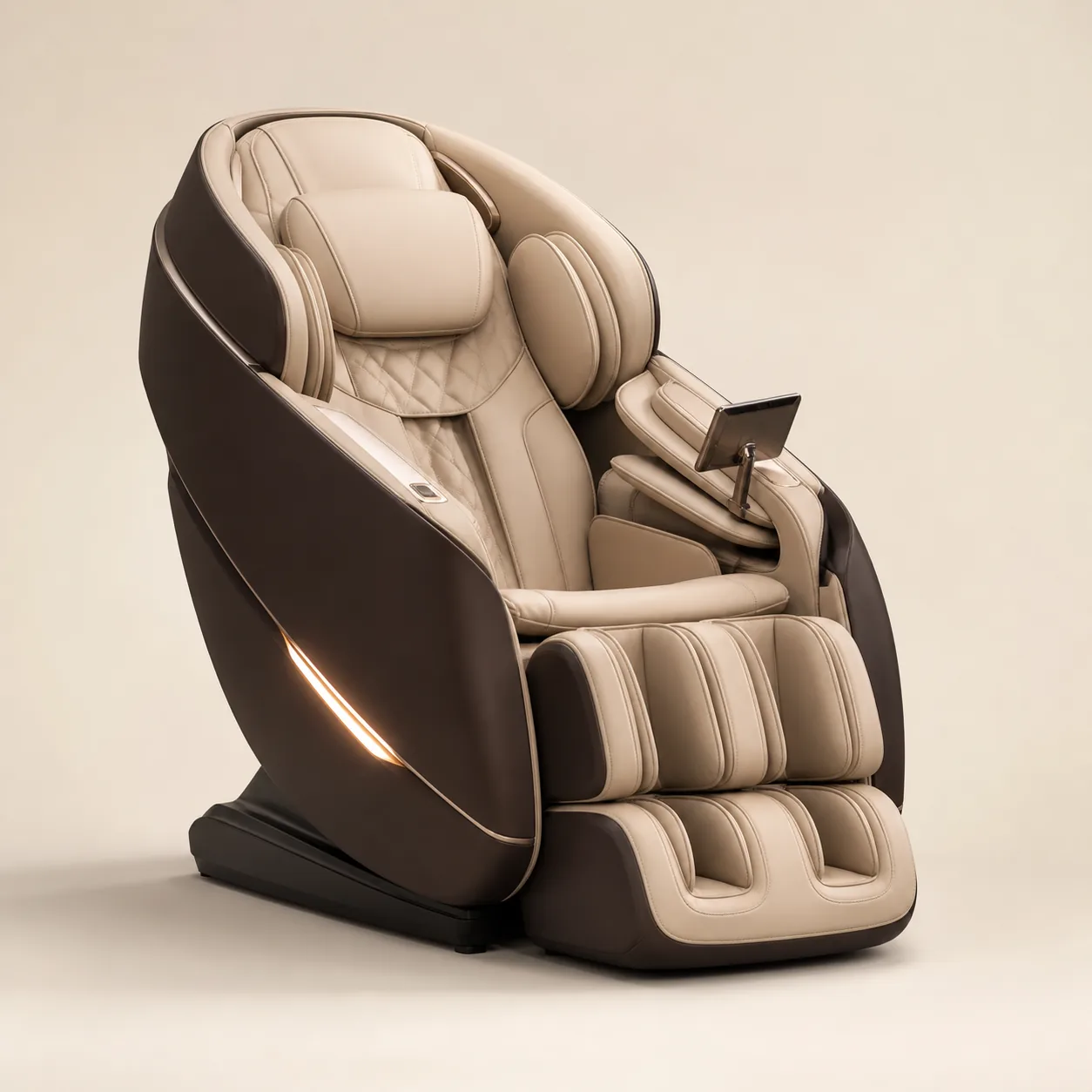
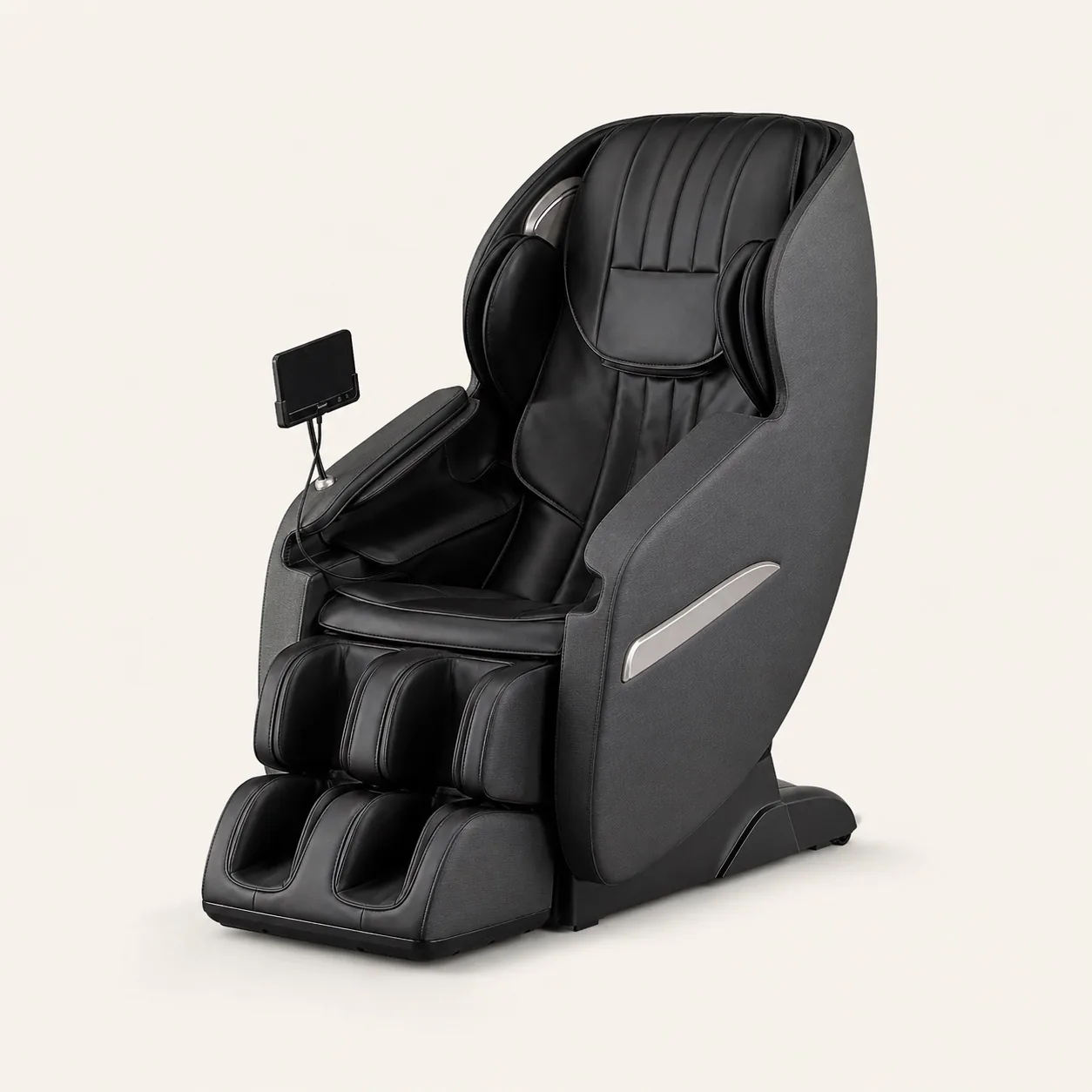
PS6500 provides the clearest room information at 74.02 inches long when reclined and four inches behind. iBooMas publishes its rear gap but not full reclined size. Favor Lite publishes a reclined envelope but not its rear gap.
Measure the packaged route, turns and stairs, then confirm the carrier’s service level.
SHOPPER QUESTIONS
Frequently asked questions
Which active massage chair fits someone 6′4″?
Real Relax PS6500 publishes a range through 6′4″, with a 220-pound manufacturer recommendation.
Which tall-user option has the highest published capacity?
iBooMas P03 publishes 330 pounds and a 5′0″–6′3″ recommendation.
What about users taller than 6′4″?
We do not currently have an active Amazon-linked model with a verified range above 6′4″. Confirm fit directly with a manufacturer before buying.
What should a big-and-tall shopper verify?
Confirm that both the published height guidance and weight limit cover the intended user, then check seat width, shoulder placement, calf-pocket fit and footrest travel. Height and capacity do not guarantee body fit.